
What to Do If You’ve Been Promoted from within the Team


The boss is leaving, and the team needs a new leader. You have applied and so have several of your colleagues whohave become good friends over the last few years.
Whatever happens you all agree that you will support whoever gets the job.Becoming the boss is an exciting transition, but it can also be a nerve-wracking one. This is especially true if you are nowmanaging people who used to be your peers. You need to establish your credibility and authority, without acting likethe promotion’s gone to your head.
Some steps to help with the transition are:
Let people know: Normally your new boss will announce. If the Organization has a good process for a formal changing of the guard, thenpeople will know you’re now in charge, if not, then it may be up to you. Talk to your boss or HR on how to handle this.
Avoid major changes early on: You may have new ideas about how you would like to lead the team. Don’t introduce any major changes right away. Demonstrate your new authority without stepping on toes or damaging relationships. You don’t want to come in overthe top, and you don’t want to act as a super-peer either. Identify a few small decisions you can make quickly, and then,when you’ve been in the role longer and have time to gather input introduce bigger ones.
Establish yourself as the Leader: Take actions that establish your credibility and indicate how you’ll work as the leader. A tried and proven method is tomeet with your team, individually and then together. I okay to discuss approach to leadership and how you plan to leadthe group. This should be how people have seen you lead in the past. In these meetings, do as much listening as talkingand ask questions of your team about how you can help them be successful. This shows that you’re in charge and thatyou’re there to support your team.
Communicate as much as possible: Now that you are further from the frontline employees, you are more likely to receive filtered information. It’s faitaccompli, that your former peers will share information differently with you now that you are the boss and you may notreceive information that you would ordinarily receive. To avoid this, work to establish a climate of openness and aculture of “no surprises.”
Distance yourself: As the leader, you can no longer have close, personal friendships with your former peers. If you do, you may appear tobe playing favorites. Instead, you need to remove yourself from social interactions. When team members go outdrinking, for example, it may be better to stay behind. You don’t need to become aloof and unapproachable, but youmay want to attend fewer social gatherings.
Try out new approaches: As a new leader, you have to find your style, the only way to do this is to try a few things out. You may not to get it rightthe first time but by experimenting with different ones, you can figure out what works and what doesn’t.Deal with the other person that wanted the jobWhat If one of your peers was in competition for the job?They’ve missed out and they’ll be disappointed. You may just need to let the person adjust to the new situation. Make itclear that you value them their knowledge and experience. You can say something like, “I understand you’redisappointed. You’re an important part of this team, and I’m going to make sure you have what you need to succeed.”
Make use of your inside knowledge: There are advantages to being the boss of former peers. You’ll have existing relationships that you can use. You’ll knowabout the Organization better than an outsider and, you’re more likely to find someone you trust to give you feedbackand pull you aside and tell you when you’ve done something wrong.
Look outside your team: It’s easy to become overly focused on your former peers, remember you now have peers (other supervisors) and a newboss. They may have been through similar experiences. Ask them how they went about the transition and yourself, howyou can build credibility with your new counterparts and how you can build a connection with your new boss.

Principles to Remember
Do:
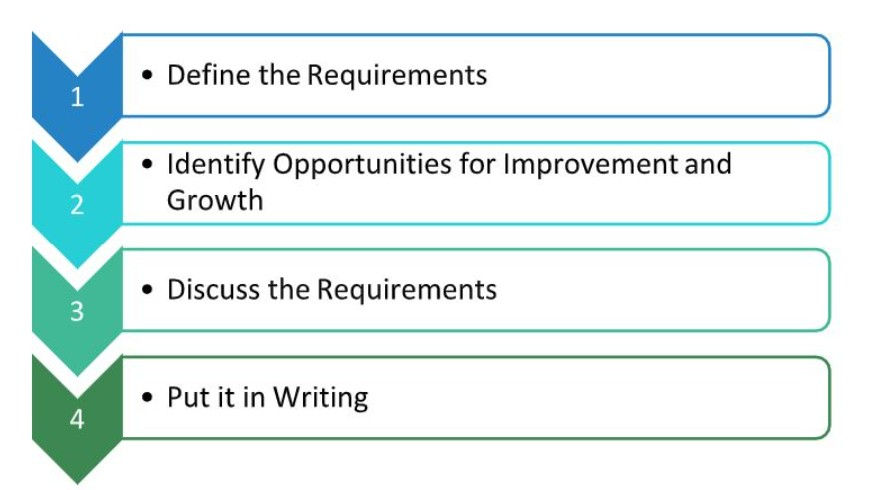
Define the Requirements
Identify Opportunities for Improvement andGrowth
Discuss the Requirements
Put it in Writing
Take actions that demonstrate your credibility
Make clear that you value any disappointed competitors and that you will support them going forward
Ask former peers for honest feedback
Don’t:
Start any major overhauls right away
Maintain close, personal relationships with former peers
Forget to connect with your new peers and your new boss

Comments